


Choosing the right forklift for your operation is a crucial decision that can significantly impact your productivity, operating costs, and overall efficiency. Whether you’re managing a busy warehouse in Wetherill Park, operating an industrial site across Western Sydney, or simply need a reliable forklift for your business, selecting between an electric vs gas forklift is a key choice you need to make.
At Forkserve, we’ve helped countless Sydney businesses find the perfect forklift solution. With decades of experience in forklift sales, hire, and service, we understand the real-world needs of local businesses. Let’s dive into the significant differences between electric and gas forklifts to help you make an informed decision for your business.
Understanding Electric Forklifts
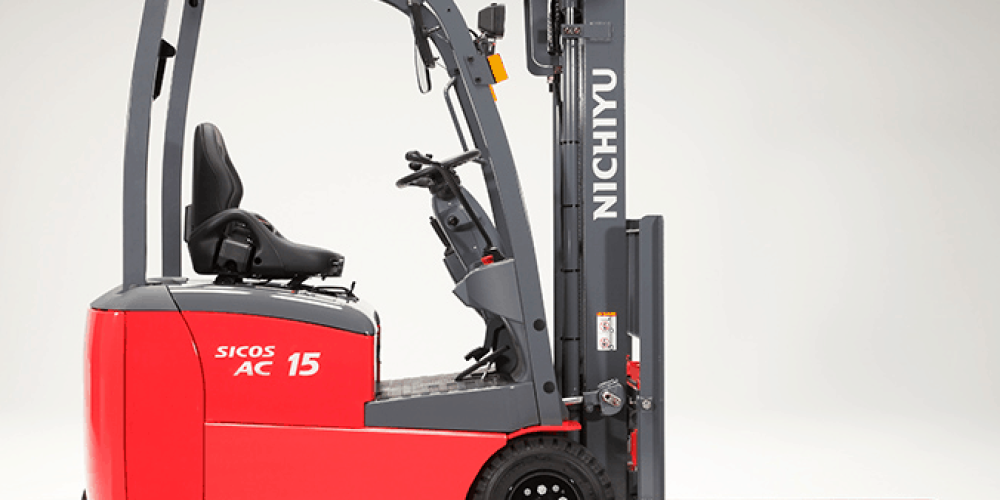
Industrial-grade batteries power electric forklifts and are often the go-to choice for indoor operations. Known for their quiet operation, low emissions, and cost-effective running, electric forklifts are ideal for businesses prioritising sustainability and lower maintenance costs.
Key Advantages of Electric Forklifts:
- Zero Emissions: Ideal for indoor environments such as warehouses and factories, where air quality is a concern.
- Lower Operating Costs: Electricity costs are typically lower than those of fuel, and electric forklifts have fewer moving parts, thereby reducing maintenance needs.
- Quiet Operation: Greatly reduces workplace noise, creating a more comfortable environment for your team.
- Compact Design: Many electric models have a tighter turning radius, improving manoeuvrability in narrow aisles.
Potential Limitations of Electric Forklifts:
- Charging Downtime: Batteries need to be recharged, which can lead to downtime unless you have a fleet rotation plan or fast chargers.
- Upfront Cost: Electric forklifts often have a higher initial purchase price compared to gas models.
- Outdoor Limitations: Performance can be affected in wet or uneven outdoor conditions.
Understanding Gas Forklifts
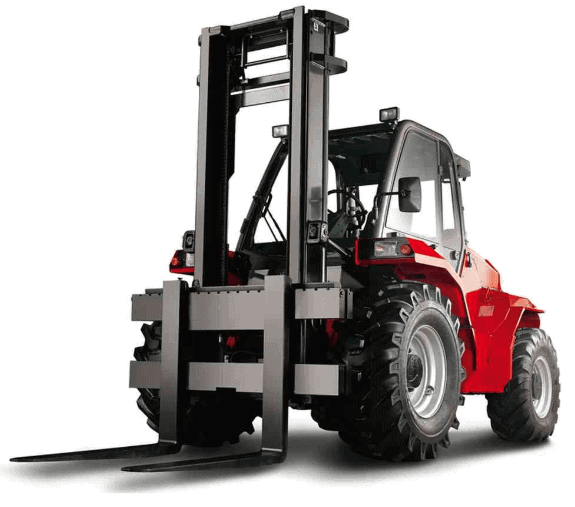
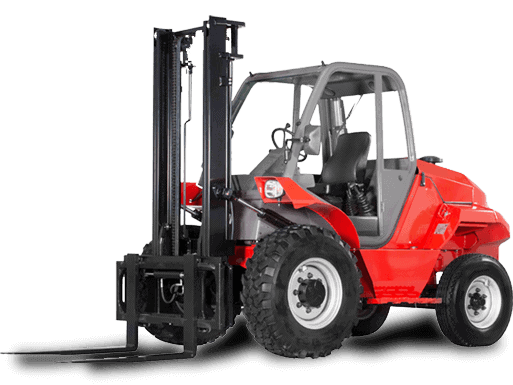
Gas forklifts, also known as LPG forklifts, are powered by liquefied petroleum gas (LPG). They are known for their powerful performance, flexibility, and suitability for both indoor and outdoor applications.
Key Advantages of Gas Forklifts:
- Continuous Operation: Refuelling is quick — simply swap the gas bottle and you’re ready to go, reducing downtime.
- Strong Outdoor Performance: Better suited to harsh, uneven outdoor surfaces and heavy-duty applications.
- Lower Initial Investment: Generally more affordable to purchase upfront compared to electric models.
- Powerful Lifting Capacity: Gas forklifts often handle heavier loads more efficiently.
Potential Limitations of Gas Forklifts:
- Higher Running Costs: Gas is typically more expensive than electricity, and regular servicing is essential.
- Emissions: Even though LPG is cleaner than diesel, gas forklifts still produce emissions — a factor to consider for indoor use.
- Noise Levels: Gas forklifts generate more noise than electric models, which may be a consideration for sensitive work environments.
Electric vs Gas Forklift: Key Factors to Consider
When choosing between an electric vs gas forklift, several important factors should guide your decision:
1. Application Environment
- Indoor Use: Electric forklifts are ideal for warehouses, food processing plants, and retail operations.
- Outdoor Use: Gas forklifts are better suited for rugged outdoor environments, such as construction sites or logistics yards.
2. Frequency and Duration of Use
- High-Usage Operations: Gas forklifts are suitable for non-stop operations due to their quick refuelling capabilities.
- Shift Work: If downtime for charging can be managed or multiple battery packs are available, electric forklifts work well.
3. Budget
- Upfront Costs: Gas forklifts usually have a lower initial cost.
- Long-Term Costs: Electric forklifts often offer lower lifetime operating expenses due to reduced maintenance and fuel savings.
4. Load Requirements
- Heavy Loads: Gas forklifts tend to offer greater torque and lifting power.
- Light to Moderate Loads: Electric forklifts can easily manage most warehouse and light industrial applications.
5. Environmental and Workplace Health
- Emission Sensitivity: Electric forklifts offer a cleaner, healthier working environment.
Why Choose Forkserve for Your Forklift Needs?
At Forkserve, we provide expert advice and unmatched service to help Sydney businesses choose the right forklift for their needs.
Here’s why businesses from Wetherill Park to Parramatta and beyond trust us:
- Extensive Range: From electric to gas forklifts, we offer a vast selection for sale or hire.
- Expert Support: Our knowledgeable team will recommend the best machine for your specific environment and workload.
- Competitive Pricing: High-quality machines at affordable prices.
- Comprehensive Service Department: Need repairs, maintenance, or emergency service? We’re just a call away.
- Sydney-Wide Coverage: Local knowledge, fast response.
Need help deciding on the right forklift?
Call Forkserve today at 02 9672 1968 for expert advice and a competitive quote.
Or request a callback via our website — we’ll get you moving fast!
FAQs: Electric vs Gas Forklift
- What is the main difference between an electric and a gas forklift?
Electric forklifts use battery power, while LPG fuels gas forklifts. Each suits different operational needs based on environment and workload. - Are electric forklifts cheaper to operate than gas forklifts?
Yes, electric forklifts generally have lower operating and maintenance costs compared to their gas-powered counterparts. - How long does an electric forklift battery last?
Typically, an electric forklift battery lasts between 5 and 7 years with proper maintenance. - Can gas forklifts be used indoors?
Yes, but they must be used in well-ventilated areas due to emissions. Electric forklifts are safer for indoor use. - Which forklift is better for outdoor use?
Gas forklifts are generally better suited for outdoor, uneven, or rugged environments. - How quickly can a gas forklift be refuelled?
Refuelling an LPG forklift typically takes just a few minutes, allowing for minimal downtime. - Is it environmentally better to use an electric forklift?
Yes, electric forklifts produce zero emissions during operation, making them a greener choice. - What is the initial cost difference between electric and gas forklifts?
Electric forklifts often have a higher upfront cost but offer savings over time through reduced running expenses. - Can I hire both electric and gas forklifts from Forkserve?
Absolutely. We offer a wide range of both electric and gas forklifts for hire at competitive rates. - What type of maintenance do electric forklifts require?
Electric forklifts require less frequent maintenance, primarily involving battery upkeep, brake checks, and electronic system inspections. - How do I know which forklift is right for my Sydney business?
Speak to the Forkserve team! Our forklift specialists will assess your needs and recommend the best solution. - Can Forkserve service both electric and gas forklifts?
Yes, our expert technicians are fully equipped to service and repair all types of forklifts across Sydney.
Conclusion: Electric vs Gas Forklift — The Right Choice with Forkserve
Choosing between an electric vs gas forklift ultimately depends on your specific business needs. Indoor warehouse operation? Go electric. Heavy-duty outdoor work? A gas forklift could be your best bet.
No matter which forklift you choose, Forkserve is your trusted partner in Sydney. We supply, hire, and service the best forklifts to keep your operations moving efficiently and safely.
Ready to upgrade your forklift fleet?
Contact Forkserve today at 02 9672 1968 or visit our showroom at 10 Walker Place, Wetherill Park NSW 2164.
Or submit an online enquiry, and a forklift expert will be in touch quickly!